A guide to the shared associations—and personal meanings—we give to color.
By Imaginary Worlds Editorial
Rose Meaning · The IW Journal
Rose color meanings are shared associations, not universal facts. In much contemporary Western gifting, red suggests romantic love, pink admiration, white remembrance or new beginnings, yellow friendship, orange energy, and purple enchantment. Yet those readings change with culture, shade, occasion, religion, fashion, and personal history.
The most useful way to choose a rose color is to treat symbolism as a vocabulary. Start with the feeling you want to express, then consider what the color means to the recipient. A private association can be more precise than any published guide.
Why rose colors carry meaning
People have long used flowers to mark courtship, grief, ceremony, season, identity, and social belonging. In nineteenth-century Europe, floriography manuals became popular guides to this symbolic language. Smithsonian Gardens notes that the manuals frequently disagreed: even white roses could convey different messages depending on the book and arrangement.
Modern color meanings inherit fragments of those systems alongside advertising, film, wedding customs, religious imagery, national traditions, and individual experience. The result is not one code but many overlapping ones.
Major rose colors and common contemporary associations
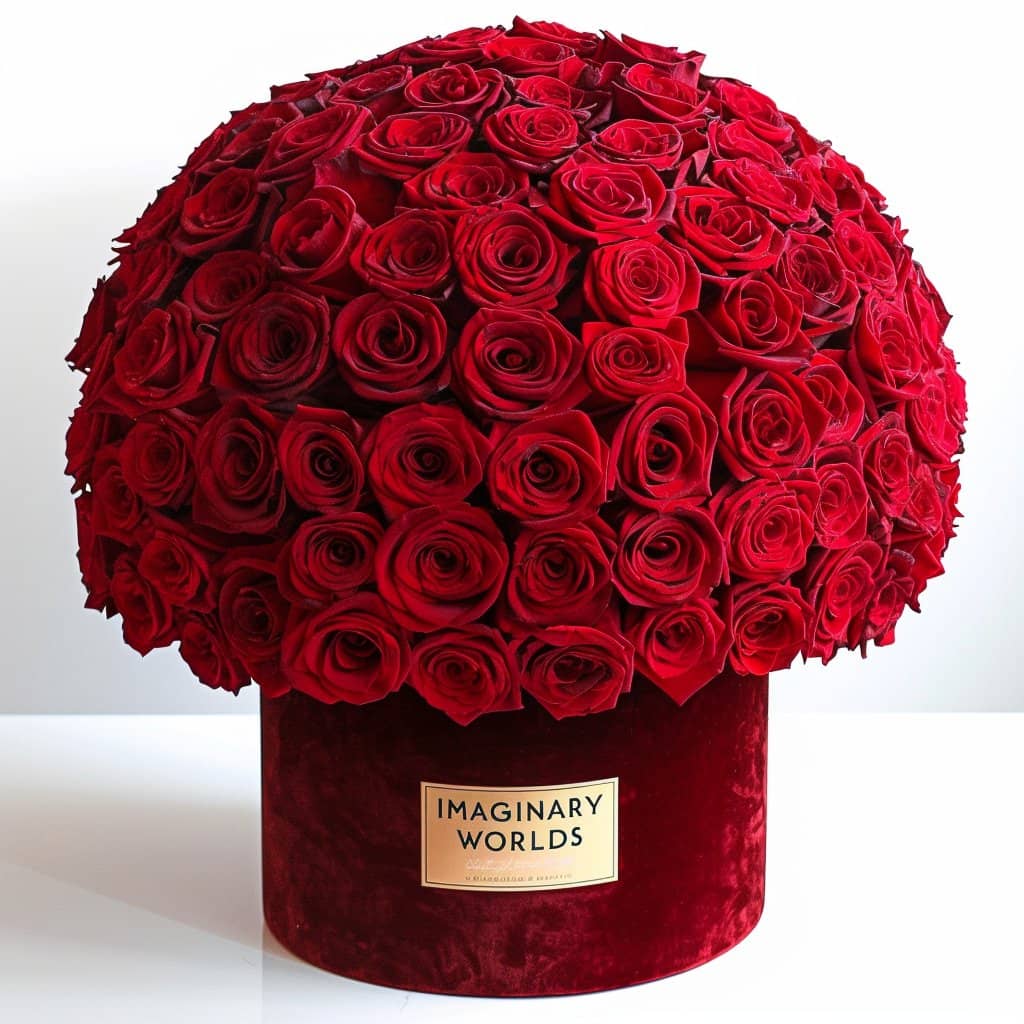
Red roses
Romantic love, desire, devotion, and courage. Deep red can feel ceremonial or dramatic; context is important because it is the color most strongly coded as romantic.
Pink roses
Admiration, affection, gratitude, sweetness, and grace. Pale pink often reads gently; saturated or hot pink can feel more expressive and celebratory.
White and ivory roses
Purity, peace, remembrance, reverence, and beginnings. They appear in both weddings and memorials, demonstrating how occasion changes meaning.
Yellow roses
Friendship, warmth, joy, optimism, and welcome in much contemporary gifting. Older guides sometimes assigned jealousy, which shows why historical meanings should not be treated as fixed.
Orange and peach roses
Energy, enthusiasm, fascination, gratitude, and warmth. Orange bridges the intensity of red and brightness of yellow; peach often feels softer and appreciative.
Purple and lavender roses
Enchantment, imagination, rarity, and a sense of ceremony. These associations are contemporary and aesthetic rather than universal spiritual claims.
Blue, teal, green, and black roses
Colors uncommon in naturally grown roses are especially open to interpretation. Blue often suggests mystery, distance, imagination, or the seemingly unattainable. Teal can feel unconventional, composed, or modern. Green can suggest renewal, balance, growth, or calm.
What is called a black rose is generally an extremely dark red, purple, or artificially colored rose rather than a naturally jet-black bloom. It may communicate elegance, rebellion, mystery, endings, or transformation. None of these readings belongs exclusively to the color; an explanation accompanying the gift prevents ambiguity.
Red Ramo Buchón
Multicolor, rainbow, and dusty tones
A multicolor arrangement can hold several emotions at once or prioritize visual energy over a single message. Rainbow and kaleidoscopic roses often read as celebratory, imaginative, playful, or individualistic because their color is visibly designed. They should not be assigned invented ancient or religious meanings.
Muted shades such as dusty rose, mauve, and blush draw meaning from fashion and interiors as much as from traditional flower language. They can suggest nostalgia, restraint, tenderness, or quiet sophistication. Shade names themselves are culturally and commercially unstable, so an image is often clearer than a label.
Culture changes the message
Color symbolism varies across countries and communities, and a broad national label can hide important differences in religion, region, generation, and occasion. White may signal bridal beginnings in one context and mourning in another. Red may be romantic, ceremonial, auspicious, political, or simply a favorite color.
Avoid thin rules such as one color for an entire country or zodiac sign. If a gesture carries cultural or ceremonial weight, ask someone close to the tradition or follow the recipient's established customs. Symbolism works best as attention, not assumption.
How to choose a meaningful rose color
Begin with the relationship. Red can be too romantic for a professional gesture, while yellow or warm pink may communicate appreciation more clearly. Next consider the occasion: white can be appropriate for both marriage and remembrance, but the surrounding message must establish which. Finally, consider the recipient's taste, home, memories, and cultural context.
For preserved roses, color remains visible for much longer than in a fresh bouquet. That makes personal preference especially important. A photograph, dedication, date, or symbolic number can clarify why the color was chosen, while mixed palettes can express a story more nuanced than one conventional meaning.
Color begins the message. Relationship and context complete it.
A living symbolism
Rose meanings continue to change because people continue to use them. A red rose inherited from a family ritual may mean something different from the same red rose exchanged at the start of a romance. An unusual blue may stand for imagination to one person and a remembered place to another.
Use the guide to open a conversation rather than close interpretation. The strongest floral symbol is not necessarily the one with the oldest definition, but the one the giver and recipient can recognize as their own.